
Rafael path tracker. NOAA tropical outlook

Tropical Storm Rafael is gradually weakening in the Gulf of Mexico with sustained winds now at 40 mph and is expected to become a remnant low within the next 12 to 24 hours, according to the latest update from the National Hurricane Center.
Rafael is expected to meander over the central Gulf of Mexico through tonight, then turn toward the south and south-southwest on Monday and Tuesday.
➤ Spaghetti models for Tropical Storm Rafael
➤ Weather alerts via text: Sign up to get updates about current storms and weather events by location
Wave action could bring significant overwash and minor coastal flooding to the Florida Keys and the southwestern part of the Florida Peninsula, AccuWeather meteorologists said.
While Rafael poses no direct threat to land, swells generated by the storm are likely to cause life-threatening surf and rip current conditions along portions of the northern and western Gulf Coast through the rest of the weekend.
Rafael hit western Cuba as a Category 3 hurricane Wednesday and took out the entire island’s electrical grid before entering the Gulf of Mexico.
Meanwhile, a trough of low pressure located a couple hundred miles east of the central Bahamas could bring heavy rains and gusty winds as it moves over the islands tonight. This system has a low chance of development over the next week.
The next named storm of the Atlantic Hurricane season will be Sara.
Here’s the latest update from the NHC as of 10 a.m. EST Sunday, Nov. 10:
Tropical Storm Rafael: What you should know

Special note on the NHC cone: The forecast track shows the most likely path of the center of the storm. It does not illustrate the full width of the storm or its impacts, and the center of the storm is likely to travel outside the cone up to 33% of the time.
- Location: About 370 miles north-northwest of Progreso, Mexico
- Maximum sustained winds: 40 mph
- Present movement: West-northwest at 3 mph
- Minimum central pressure: 1003 MB
At 10 a.m. EST, the center of Tropical Storm Rafael was located near latitude 26.3 North, longitude 91.9 West.
Rafael is moving toward the north-northwest near 3 mph.
The storm is expected to meander over the central Gulf of Mexico through tonight, then turn toward the south and south-southwest on Monday and Tuesday.
Maximum sustained winds are near 40 mph with higher gusts. Weakening is expected, and Rafael is forecast to degenerate to a post-tropical remnant low by Monday.
Tropical-storm-force winds extend outward up to 150 miles from the center. A few hours ago, NOAA buoy 42001 over the central Gulf of Mexico recorded a sustained wind of 38 mph with a gust of 45 mph.
Spaghetti models for Tropical Storm Rafael
Special note about spaghetti models: Illustrations include an array of forecast tools and models, and not all are created equal. The hurricane center uses only the top four or five highest performing models to help make its forecasts.
➤ Spaghetti models for Hurricane Rafael
Florida impacts from Tropical Storm Rafael

Potential impacts for Florida from the National Hurricane Center:
- Swells generated by Rafael will continue impacting portions of the northern and western Gulf Coast through the weekend. These swells are likely to cause life-threatening surf and rip current conditions.
National Hurricane Center map: What else is out there and how likely are they to strengthen?
Systems currently being monitored by the National Hurricane Center include:
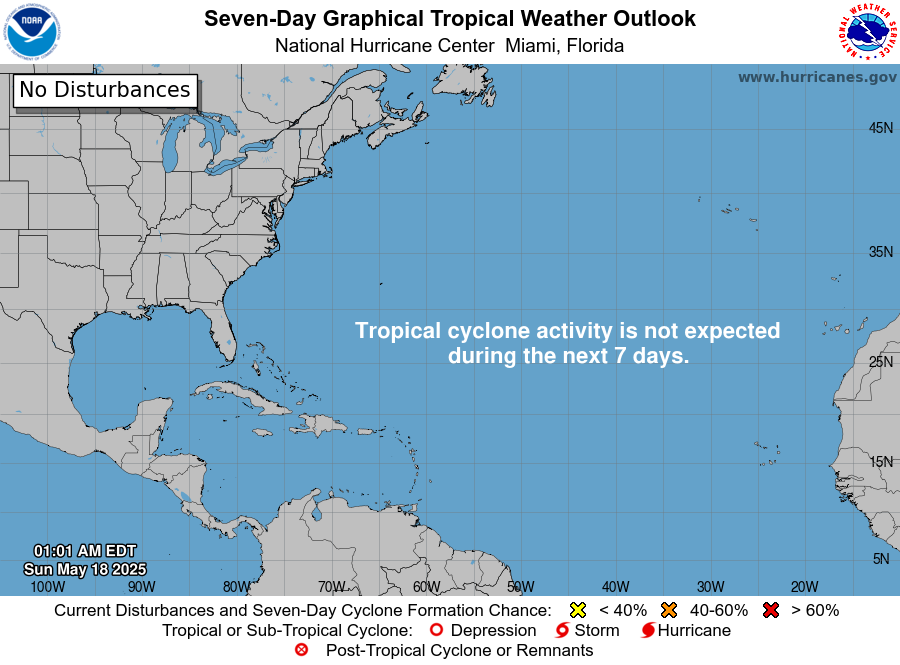
Near the Bahamas: Disorganized showers and thunderstorms continue near a trough of low pressure located a couple of hundred miles east of the central Bahamas. Some slight development of this system is possible before it moves into unfavorable environmental conditions late today.
Regardless of development, locally heavy rains and gusty winds are possible as it moves generally westward across the Bahamas through tonight.
- Formation chance through 48 hours: low, 10 percent.
- Formation chance through seven days: low, 10 percent.
What do the colored areas on the NOAA map mean?
The hatched areas on a tropical outlook map indicate “areas where a tropical cyclone — which could be a tropical depression, tropical storm or hurricane — could develop,” said National Hurricane Center Deputy Director Jamie Rhome.
The colors make it visibly clear how likely a system could develop with yellow being low, orange medium and red high.
The National Hurricane Center generally doesn’t issue tropical advisories until a there is a named storm, but there is an exception.
“If a system is near land and there is potential for development, the National Hurricane Center won’t wait before it issues advisories, even if the system hasn’t become an actual storm. This gives residents time to prepare,” Rhome said.
Weather watches and warnings issued in Florida
When does hurricane season end?
The Atlantic hurricane season runs from June 1 through Nov. 30.
The Atlantic basin includes the northern Atlantic Ocean, Caribbean Sea and Gulf of Mexico.
Interactive map: Hurricanes, tropical storms that have passed near your city
Excessive rainfall forecast
Stay informed. Get weather alerts via text
What’s next?
We will continue to update our tropical weather coverage daily. Download your local site’s app to ensure you’re always connected to the news. And look for our special subscription offers here.
This story has been updated to add new information.


